
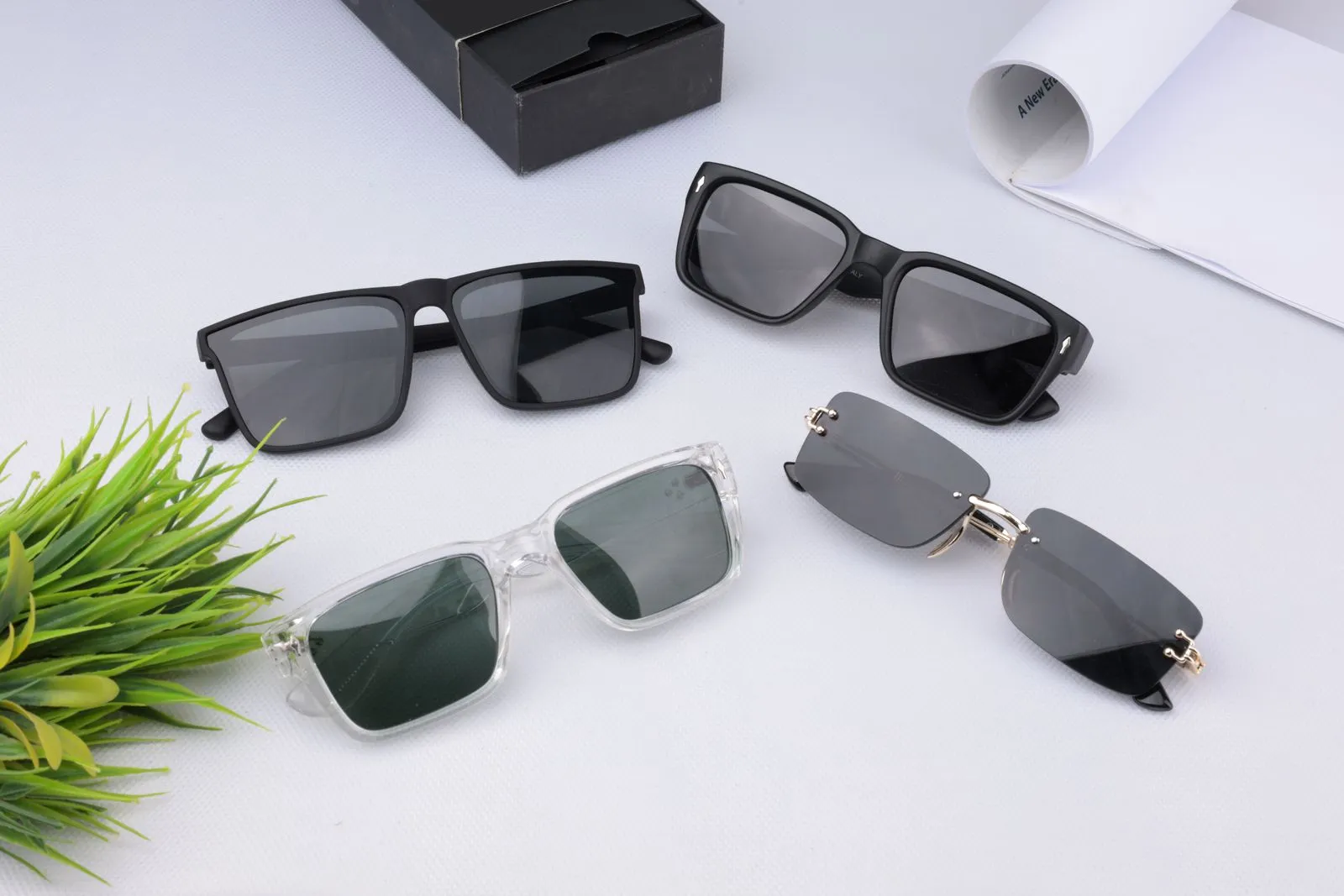
Clip-on sunglasses can be a practical choice if you already wear prescription glasses and want an easy way to reduce glare outdoors. They attach to your regular frames, so you can switch between clear and tinted lenses without carrying a second full pair. Whether they suit everyday use depends on fit, comfort, lens coverage, and how often you move between indoor and outdoor settings. A few simple checks can help you decide.
Everyday Benefits
The main appeal is convenience. Keep your regular glasses on, attach the tinted lenses when you step outside, and remove them when you return indoors. This can be useful for errands, walks, commuting, or other routines with frequent changes in light. Clip-ons also take up less space than a separate pair of prescription sunglasses, which may make them easier to keep in a bag or car.
Clip-ons can also let you use your existing prescription rather than ordering another set of prescription lenses. That can simplify your eyewear setup, especially if your frames work well and you prefer not to switch between pairs. The tradeoff is that you need to handle and store the clip-on piece carefully so it stays clean, accessible, and ready to use.
Check Fit and Coverage
A good clip-on should match the shape and size of your frames closely. Check that it sits evenly, stays in place when you move your head, and does not press uncomfortably against the frame or your face. If the attachment feels loose or requires force, ask an eyewear professional to check compatibility instead of bending it yourself.
Look at coverage from the front and sides. Lenses that are too small or shaped differently from your frames may leave gaps where bright light can enter. Also check that the clip-on does not interfere with your view, touch your prescription lenses, or make the glasses feel unbalanced. Try putting it on and taking it off a few times before relying on it throughout the day.
Choose Lenses for Sun Protection
Tint alone does not tell you how much ultraviolet protection a lens provides. Look for clear labeling that confirms UV protection, and ask the seller if the details are not stated. Polarized lenses can help reduce reflected glare from surfaces such as water and pavement, but polarization is a separate feature from UV protection.
Consider where and when you will use the clip-ons. A darker tint may feel comfortable in bright outdoor conditions but less useful when moving through shaded areas. If you drive, check that the lenses do not make it difficult to see screens or displays you rely on. Keep your prescription glasses clean beneath the clip-on, since dust or smudges between the two surfaces can affect clarity.
Make Them Easy to Use
Build a simple routine around your clip-ons. Store them in a protective case when they are not attached, and place the case somewhere you can reach before heading outdoors. Use a clean microfiber cloth for the lenses, and follow the maker’s care instructions. Avoid dropping the clip-on into a pocket or bag loose, where it can scratch or bend.
Clip-ons may be less convenient if you constantly switch between indoor and outdoor settings, dislike attaching a separate piece, or need broader coverage than a particular model offers. Compare them with prescription sunglasses or photochromic lenses based on your routine, comfort, and preference. The best option is one you will wear consistently and can use without distracting adjustments.
Clip-on sunglasses can simplify sun protection when they fit securely, provide appropriate coverage, and are comfortable to attach and remove. Check UV protection, test the fit with your own frames, and consider how they work in your daily routine. If you want help comparing styles, Sarasota Clip-On Co. can help you explore options in Sarasota.